Garden landscaping in Bermondsey
If you are looking for garden landscaping in Bermondsey, you are probably after more than a quick tidy-up. Most local clients want a space that feels usable, looks polished, and works with the realities of living or trading in SE16: compact plots, shared access, busy streets, limited parking, and gardens that need thoughtful planning rather than a one-size-fits-all approach. A well-designed outdoor area can make a real difference to a Bermondsey home, courtyard, terrace, roof garden, or commercial frontage, turning a patch of outdoor space into somewhere you actually want to spend time.
Whether you live in a converted warehouse, a riverside apartment, a terraced house near the Old Kent Road side, or manage a business close to Bermondsey Street, the right landscaping can improve appearance, increase practicality, and make maintenance much easier. Local knowledge matters here because Bermondsey gardens often face specific challenges: awkward access, shading from neighbouring buildings, hard surfaces that need softening, and narrow spaces that need clever planting and layout choices.
Our aim is simple: to help local customers create outdoor spaces that feel natural, durable, and suited to daily life. From full garden redesigns to practical improvements such as planting schemes, paving, lawn replacement, raised beds, lighting, and drainage solutions, garden landscaping can be shaped around the way you live and use the space. If you are planning an update and want to compare options, request a free quote or contact us today to discuss your project.
Garden landscaping that suits Bermondsey properties

Bermondsey has a mix of property types, and that makes every outdoor project a little different. Some customers want a neat, low-maintenance garden for a busy household. Others want a stylish entertaining area that complements a modern flat. Commercial clients may need outdoor spaces that welcome staff, customers, or visitors while still being practical to maintain. Good landscaping takes those differences seriously instead of forcing the same layout onto every site.
For a compact urban garden, smart design can create the feeling of space without overcomplicating the layout. That might mean using clean lines, layered planting, vertical interest, and materials that suit the building style. In Bermondsey, many outdoor areas benefit from a balance of hard landscaping and softer natural features. Paving, decking, and edging create structure, while planting and lawn areas bring colour and texture.
It is also important to think about how the garden will be used throughout the year. A south-facing courtyard might need shade and irrigation planning. A shaded rear space may need plants that cope with lower light levels. A busy family garden may need durable surfaces and flexible seating areas. A local landscaping team can look at the practical details first, then shape a design that feels attractive and genuinely usable.
What our garden landscaping service can include
Every project starts with understanding what you want from the space. Some Bermondsey customers want a complete transformation, while others simply need a set of improvements carried out in stages. Garden landscaping can cover a wide range of work, from layout changes to finishing details. The right combination depends on the condition of the space, your budget, and how much maintenance you want to take on later.
Typical work may include removing tired materials, redesigning the layout, improving access, and introducing features that make the garden easier to enjoy. A good landscaping plan should feel practical as well as attractive. If you are using the space for relaxing, dining, growing plants, or welcoming clients, those uses should shape the final design.
In many Bermondsey gardens, it makes sense to prioritise low-maintenance solutions. This does not mean bland or bare. It means choosing materials and planting that stay looking good with realistic care. Well-chosen landscaping features can reduce ongoing hassle and help the garden work better in the long term.
Common landscaping services requested locally
- Garden design and layout planning
- Paving, patios, and seating areas
- Decking and raised terraces
- Turfing and artificial grass installation
- Planting schemes and border design
- Raised beds, sleepers, and edging
- Fence and boundary improvements
- Garden lighting and feature installation
- Drainage improvements and water management
- Small outdoor transformations for courtyards and terraces
Why Bermondsey customers choose a local landscaping team
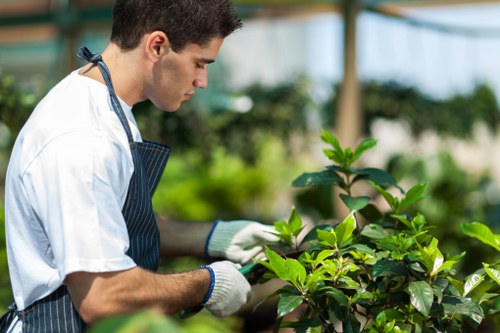
Working locally matters because Bermondsey presents practical issues that are easy to underestimate. Access can be tight, especially in terraced streets, apartment blocks, and shared developments. Materials may need to be carried through narrow side passages or internal routes. Parking can be limited, and timing deliveries carefully can make a big difference to how smoothly a job runs. A local team is more likely to understand these constraints and plan accordingly.
Another benefit of choosing a team familiar with Bermondsey is their awareness of the area’s style and scale. Outdoor spaces here are often compact, overlooked, or enclosed by surrounding buildings. That means landscape design has to be thoughtful. Bold but balanced planting, clever use of levels, and durable finishes can all help a space feel more private and inviting without making it cluttered.
Local service is also helpful when a project needs to be delivered around residents, neighbours, or business operations. For example, a courtyard behind a shop, café, office, or mixed-use property may need work scheduled carefully to minimise disruption. A Bermondsey-based approach tends to be more responsive, more practical, and better suited to real-life conditions on site.
Garden landscaping for homes, flats, and businesses
One of the strengths of garden landscaping in Bermondsey is that it can be adapted for many different users. Residential customers might be looking for a private retreat, somewhere child-friendly, or a garden that can cope with pets and everyday wear. Commercial customers often want something different: a clean, professional outdoor area that enhances the appearance of the building and is easy to maintain.
For homeowners, the most common priorities are comfort, privacy, and manageable upkeep. Many Bermondsey gardens are not large, so the challenge is to make each square metre count. That could involve combining planting with seating, using lighter colours to reflect light, or introducing vertical elements such as trellis, climbers, or tall planters. If you enjoy gardening but do not have much time, a low-maintenance plan can make all the difference.
For business premises, the priorities may include visual appeal, safety, and durability. A smart courtyard, outdoor meeting area, or frontage planting scheme can create a better first impression. In busy parts of Bermondsey, a well-landscaped external area can also help a property feel more finished and cared for.
Suitable for many property types
- Terraced houses and townhouses
- Modern apartment gardens and terraces
- Courtyards and shared residential spaces
- Warehouse conversions and lower-ground outdoor areas
- Shops, cafés, offices, and mixed-use buildings
- Lettings and investment properties needing practical improvements
How the process usually works

Most local customers want a clear process from the start. Garden landscaping should feel straightforward, not overwhelming. A sensible approach begins with a conversation about what is not working now, what you would like to change, and how you want to use the garden after the work is complete. From there, the layout, materials, and planting can be shaped around your priorities.
Once the brief is clear, the next step is usually a site visit or assessment. This is where practical details matter: access, drainage, existing structures, slope, soil condition, sun and shade patterns, and any obstacles such as tree roots or uneven ground. In Bermondsey, it is especially important to consider how work will be delivered on a small or busy site. Planning around these details helps the project run smoothly.
The work itself may involve clearing the area, preparing the ground, installing hard landscaping, and then completing planting and finishing touches. Depending on the size and complexity of the job, this can be done in stages. Clear communication is important throughout, especially if the garden is part of a home with limited access or a commercial property that needs to remain operational.
Design choices that work well in Bermondsey
Because many Bermondsey gardens are compact and urban, certain design choices tend to work particularly well. These are not rules, but they are proven ways to make a smaller or overlooked space feel more inviting. The best designs usually combine structure, texture, and practical use in a way that suits the property and the people using it.
For example, using consistent paving materials can make a courtyard look calmer and more spacious. Introducing raised beds can help separate planting from circulation areas while adding depth and height. Lighting can extend the use of the garden into the evening and improve safety. Even simple changes, such as replacing worn fencing or adding neat edging, can make the whole space feel better maintained.
Plant selection also matters. Bermondsey gardens often benefit from species that cope well with urban conditions, varying light levels, and the occasional dry spell. A planting scheme can be colourful, seasonal, and attractive without becoming difficult to look after. If you want year-round structure, evergreens and architectural plants can provide a strong base.
Features often requested for compact urban gardens
- Space-saving seating areas
- Built-in planters and raised beds
- Vertical planting and climbers
- Low-maintenance paving and edging
- Privacy screening for overlooked spaces
- Lighting for ambience and usability
Hard landscaping and soft landscaping

A strong garden design usually balances hard landscaping and soft landscaping. Hard landscaping refers to the built elements of the garden, such as patios, paths, steps, retaining walls, edging, and decking. Soft landscaping covers planting, turf, soil preparation, and the living features that bring the garden to life. In Bermondsey, where space is often limited, both elements need to work together carefully.
Hard landscaping is often the backbone of the project. It helps define how people move through the space, where they sit, and how the garden feels at different times of the day. Good materials should suit the property and the level of use. A family garden may need a robust surface that stands up to everyday activity. A commercial courtyard might need something clean and professional that is easy to maintain.
Soft landscaping adds softness, seasonal interest, and a more welcoming feel. Even a small planting scheme can make a big difference when it is well planned. Borders, pots, climbers, and specimen plants can all help soften walls and fences. A balanced design ensures the garden does not feel too hard or too cluttered.
What is included in a typical landscaping project?
The exact scope of work depends on the garden and the customer’s goals, but many Bermondsey projects include a mix of preparation, installation, and finishing. If you are comparing options, it helps to know what is commonly involved so you can ask the right questions and understand how your project might be built.
A landscaping project may begin with clearing overgrown areas, removing broken or outdated features, and preparing the ground properly. This stage is important because a well-finished garden starts with solid groundwork. If the soil is poor, the site is uneven, or drainage needs attention, those issues should be addressed before the final surfaces or planting go in.
After that, the practical features are installed. This can include paving, decking, turf, borders, and structural elements such as steps or sleepers. Once those are in place, planting and finishing details help shape the final look. Careful finishing is what turns a construction project into a space that feels ready to use.
Examples of project stages
- Initial discussion and site assessment
- Planning the layout and choosing materials
- Clearing the existing garden
- Preparing the ground and solving practical issues
- Installing hard landscaping elements
- Adding planting, turf, and decorative details
- Final checks and tidy completion
Access, parking, and working in a busy part of London
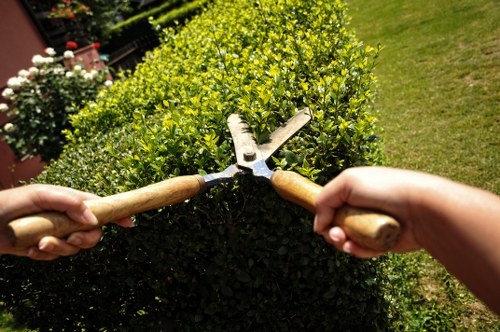
One of the reasons people specifically look for garden landscaping in Bermondsey is that local access can be challenging. A garden may sit behind a property with a narrow entry point, through a shared hallway, or down a side passage that limits what can be carried through. In some streets, parking is tight and unloading materials must be handled carefully. These issues do not prevent a good project, but they do require planning and experience.
For customers, this means a local landscaping company can add real value by thinking ahead. Delivery timing, equipment choice, material handling, and protection of existing surfaces all matter. Where access is tricky, the team should be able to work methodically and keep disruption manageable. This is especially important if you live in a flat, own a rental property, or run a business where neighbouring occupants need to be considered.
Good planning also helps protect finishes inside and outside the home. Routes can be arranged to avoid damage, and the work can be phased sensibly if the garden is awkward or shared. The more carefully these points are managed, the smoother the overall experience will be.
Pricing factors to consider
Many customers understandably want to know what affects the cost of landscaping before they commit. While exact pricing depends on the project, there are some common factors that influence the overall budget. Knowing these in advance can help you make informed decisions and shape a project that fits what you want to spend.
Key pricing factors usually include the size of the garden, the condition of the existing space, the materials chosen, and how much preparation is needed. A simple refresh with new planting and small improvements will normally cost less than a complete redesign involving excavation, drainage changes, and multiple hard landscaping features. Access can also affect pricing because difficult entry or restricted parking may increase labour time.
It is often helpful to prioritise the elements that will make the biggest difference first. For some clients, that means improving the layout and surfaces. For others, it means sorting drainage or replacing tired planting with something easier to maintain. A well-planned quote should make it clearer what is included and where optional extras may apply.
Factors that can affect the scope of work
- Garden size and shape
- Condition of existing materials and soil
- Need for clearance or waste removal
- Drainage, levels, and ground preparation
- Choice of paving, timber, stone, or planting materials
- Ease of access and site logistics
- Whether the project is residential or commercial
How to prepare for your landscaping project
A little preparation before work begins can help the project go more smoothly and reduce delays. If you are planning landscaping in Bermondsey, it is worth thinking about how the space will be used, what should stay, and what needs to go. You do not need to decide every detail in advance, but a clear brief is very helpful.
Start by noting what you currently dislike about the garden. Is it too shaded, too messy, difficult to maintain, or lacking privacy? Do you need space for children, pets, outdoor dining, or simple relaxation? If you can share examples of the style you prefer, that can help shape the right finish without making the project feel overcomplicated.
It also helps to check access and be realistic about timing. If your garden is attached to a flat, business unit, or shared building, make sure any necessary permissions or arrangements are in hand. Keeping the area clear before work starts can save time and help the team get on with the job efficiently.
Preparation checklist
- Decide how you want to use the garden
- Identify any problem areas such as poor drainage or uneven ground
- Clear loose items and personal belongings from the work area
- Check access routes for tools and materials
- Think about privacy, lighting, and maintenance needs
- Make a note of plants or features you would like to keep
Why landscaping adds value beyond appearance
Many people think of landscaping as mainly cosmetic, but in practice it can improve the way a property functions every day. A well-planned garden can be easier to keep tidy, safer to walk across, more pleasant to look at, and more suitable for your lifestyle. This is especially important in Bermondsey, where outdoor space may be limited and every part of the garden needs to work hard.
For residential customers, landscaping can increase enjoyment of the home and make outdoor time more realistic rather than something reserved for rare occasions. For landlords and property managers, neat and practical outdoor spaces can help create a better impression for tenants and visitors. For businesses, the outside of the property matters too; it can influence how welcoming and professional the premises feel.
In many cases, even modest improvements make a noticeable difference. Replacing an awkward layout, improving a pathway, or adding a clean planting scheme can completely change the feel of the area. When the garden works well, the whole property feels better cared for.
Areas covered around Bermondsey
Garden landscaping work is often requested across Bermondsey and nearby parts of South East London. Local customers commonly need support in streets and neighbourhoods with a mix of homes, flats, workplaces, and converted buildings. While every project is assessed individually, a nearby team is usually well placed to cover surrounding locations without making the process complicated.
Nearby areas and localities may include the wider SE1 and SE16 neighbourhoods, along with surrounding parts of Southwark and neighbouring districts. Many customers in nearby borough edges look for help because the same access and space constraints appear across this part of London. If your property is close to Bermondsey Street, Shad Thames, the riverside, or the roads connecting toward Southwark and Rotherhithe, a local team can be especially practical.
What matters most is finding a service that understands the sort of outdoor space you have. The more familiar the team is with similar properties, the easier it is to plan materials, logistics, and finishes that suit the setting.
Frequently asked questions
Below are some of the questions Bermondsey customers often ask when considering a landscaping project. If you have something specific in mind, it is always worth raising it early so the design and planning can reflect your needs.
Can landscaping work in a very small Bermondsey garden?
Yes. Small gardens can benefit hugely from good landscaping. With the right layout, materials, and planting choices, even a compact courtyard or terrace can feel more spacious and more useful. The key is not to overcrowd the area and to use the available space thoughtfully.
Do I need a full redesign, or can I improve the garden in stages?
Many customers choose to improve their garden in stages, especially if they want to manage budget or keep disruption low. It is often possible to start with the most urgent issues, such as clearing, paving, drainage, or privacy, and then add planting and finishing features later.
What if my garden has poor access?
Poor access is common in Bermondsey and does not usually prevent a project from going ahead. It simply means the work needs to be planned carefully. A local landscaping team should assess access routes before starting and make sure the project is organised around the realities of the site.
Can landscaping help with low-maintenance gardens?
Absolutely. Many Bermondsey customers want attractive outdoor spaces that do not demand constant attention. Low-maintenance landscaping can include hard-wearing materials, planted areas that suit urban conditions, and layouts that are easy to keep neat.
Is landscaping suitable for commercial properties too?
Yes. Commercial premises, shared developments, and mixed-use properties can all benefit from well-planned outdoor areas. The design needs to be practical, tidy, and appropriate for the use of the property, but it can still be attractive and welcoming.
Choose a Bermondsey team that understands local needs
When you are investing in your outdoor space, it helps to work with people who understand the area, the property types, and the practical constraints involved. Garden landscaping in Bermondsey is not just about making a garden look better. It is about creating a space that suits local living: efficient, attractive, durable, and easy to enjoy.
A good local team will listen to what you need, assess the space properly, and recommend solutions that make sense for the property. That could mean a simple update or a larger transformation. Either way, the best outcome is one that feels right for your home or business and holds up well in everyday use.
If you are ready to improve your outdoor area, book your service now, request a free quote, or contact us today to talk through your ideas. Whether you want a modern courtyard, a family-friendly garden, a smarter commercial frontage, or a complete outdoor redesign, the right landscaping can make your Bermondsey space work much better for you.